The Final Payment Is a Decision: Auditing Machinery Finance Before You Sign
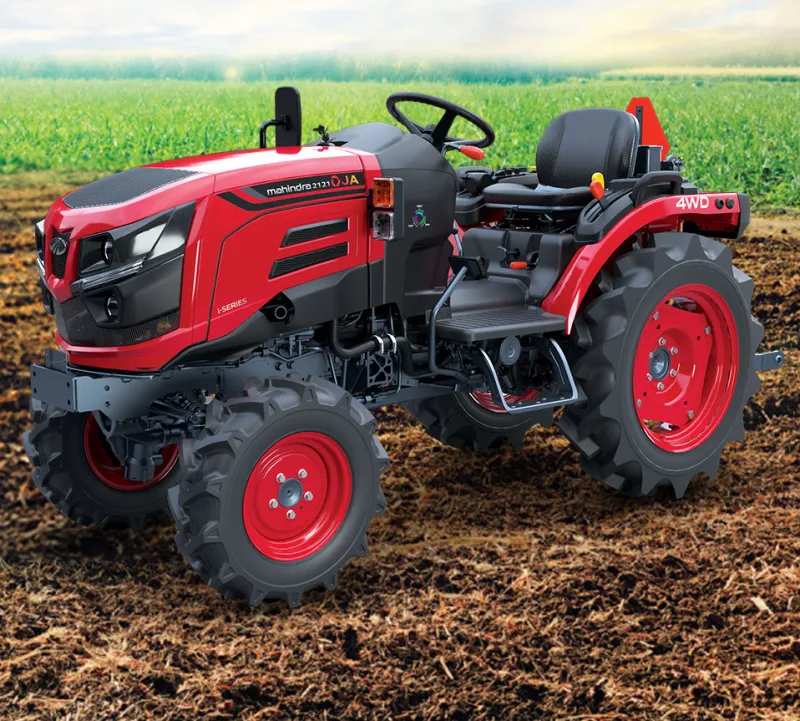
Photo: tractor finance paperwork dealer office farm machinery contract UK, via www.mahindratractor.com
A tractor or telehandler is rarely bought on the day the keys are handed over. It is bought across a term of 36, 48 or 60 months, and the figure that receives the most attention is the monthly payment. That figure matters, but it is not the whole agreement. The end of the term — the balloon, the residual, the option to purchase, the return condition — is where the finance structure either serves the business or quietly constrains it.
Three agreements, three endings
Hire purchase ends with ownership, usually after an option-to-purchase fee. A finance lease typically ends with a secondary rental period or a sale to a third party, with the lessee carrying residual-value risk. Contract hire ends with a return, and the return conditions matter as much as the rentals. The monthly figures can look similar. The endgames are not.
For a mixed UK farm running a main tractor, a telehandler and a set of groundcare machines, the end of each agreement arrives at a different time and asks a different question. HP asks whether to pay the balloon and keep the asset. A finance lease asks whether the residual is above or below market. Contract hire asks whether the machine can be returned within the fair-wear-and-tear standard without a recharge.
Residual values are a risk allocation, not a forecast
A balloon payment is not a discount deferred. It is a residual value assumption, and the lender will usually protect itself by setting it conservatively. A guaranteed future value transfers some of that risk to the lender, but it comes at a price and with conditions: mileage or hour limits, servicing requirements, return standards and consent for modifications. A balloon without a guarantee leaves the risk with the borrower. If used values soften, the final payment can exceed the machine's market value. That is not a reason to avoid balloons, but it is a reason to stress-test them.
Ask what the balloon represents as a percentage of the original price, and compare it with evidence from reputable used guides and recent auction results for comparable machines. For agricultural equipment, hours, service history, tyre condition and specification matter more than age alone. A balloon set at a level the machine is unlikely to achieve in a wet year or a difficult used market is not a plan; it is a hope.
The cost of changing your mind
Early settlement terms vary. Regulated agreements may provide a rebate calculated on a prescribed basis; unregulated business agreements often follow the lender's own formula, which can be less generous. Some agreements include administration fees, minimum periods or interest charges that continue for a set term. Cross-collateralisation or all-assets clauses can also complicate a partial exit. Before signing, ask for a worked example of early settlement at 12, 24 and 36 months. If the lender will not provide one, that is information in itself.
Obligations that outlive the warranty
Finance agreements commonly impose maintenance, servicing and insurance obligations that continue for the whole term. Missed services can breach the agreement or invalidate a guaranteed future value. Insurance must usually name the lender's interest, and the lender may require comprehensive cover. Contract hire and some leases impose return standards: tyre tread depths, body damage, missing keys, service records and hour limits. Fair wear and tear is not a vague concept; it is often defined by industry standards. A machine returned with damaged panels or overdue servicing can attract a recharge that erases the apparent saving on the monthly rental.
There is also the question of modification. Adding front linkage, a loader, additional hydraulics or a telematics unit may require written consent. Even where consent is given, the modification may need to be removed before return, at the operator's cost.
Ownership, VAT and the endgame
HP normally carries VAT on the full purchase price, with recovery subject to the business's VAT position. Leasing typically carries VAT on the rentals. The cash-flow difference is real, but it should be weighed against the ownership outcome. At the end of an HP agreement, the business owns the machine after the option-to-purchase fee. At the end of a lease, it may own nothing, or it may need to sell the asset and account for the proceeds under the agreement's terms.
A pre-signature checklist
- Obtain a full amortisation schedule, not just the monthly payment.
- Identify the balloon or guaranteed future value and the assumptions behind it.
- Ask for early-settlement figures at three points in the term.
- Confirm who bears residual-value risk.
- Read the maintenance, servicing and insurance covenants.
- Check hour limits, return standards and modification consent.
- Confirm VAT treatment and the option-to-purchase fee.
- Ask what happens if the machine is written off or stolen.
- Check whether the agreement is regulated or unregulated.
- Compare the total cost of the agreement with the cost of a shorter term or a larger deposit.
The final payment is a management decision
The end of a finance agreement should be planned, not discovered. Twelve months before the final payment, review the machine's condition, hours and market value. Decide whether to pay the balloon and retain it, refinance the residual, part-exchange it against a replacement or return it. Each option has a cost, and the cheapest monthly payment is not always the cheapest outcome.
For UK farms and contractors, machinery finance is a tool for matching capital to the working year. It works best when the end of the term is understood at the beginning. The balloon at the end of the field is not a surprise if it was written into the plan.