The Gateway Is Part of the Specification: Auditing Farm Access Before a Machinery Purchase
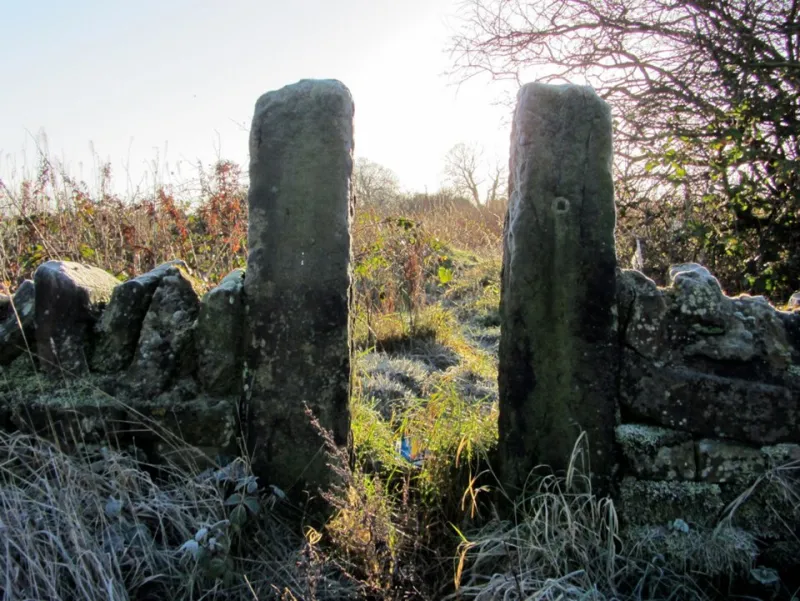
Photo: Andrew Curtis , CC BY-SA 2.0, via Wikimedia Commons
Machinery brochures are written around capability. They lead with horsepower, lift capacity, hydraulic output and transmission options. Those figures matter, but they are not the first test on many UK farms. The first test is whether the machine can reach the work, turn in the yard and leave the field without damaging the ground or the boundary. Access is not a secondary consideration to be solved after delivery. It is part of the specification.
An access audit carried out before purchase is a relatively cheap exercise. It converts local knowledge into measurements, photographs and costs. It also gives a farmer or contractor a neutral basis for comparing two very different solutions: adapting the farm, or choosing a different machine.
Begin with the route, not the brochure
A machine does not operate in a single field. It travels from the main yard to the grain store, the muck heap, the livestock buildings and the outlying blocks. It may also use a public lane or a shared access track. The audit should start with a simple route map showing every regular movement and the pinch points along it.
The map should include normal use and worst-case use. A tractor that fits through a gateway in dry April may not fit with a loaded trailer, a wider implement or a different tyre package in wet November. It should also include contractor access and emergency access, because a purchase that blocks a service vehicle or a livestock wagon creates a problem beyond the machine itself.
The measurements that matter
Clear opening width is the first measurement. It should be taken between the physical obstructions, not between gate leaves. Posts, hedgerow stems, strainers, water troughs and stored materials can all reduce the true opening. Record the narrowest point at several heights, because a gateway may be wide at the base and restricted by an overhanging branch or a leaning post.
Height clearance is equally important. Low branches, telegraph wires, yard gutters, roof overhangs and feed barriers can all limit a telehandler or a high-cab tractor. Measure the lowest point and note whether it is fixed or seasonal.
Turning area should be measured in the places where the machine will actually turn: the main yard, the field gateway apron, the silage clamp and the livestock handling area. Brochure turning circles are useful for comparison, but on farm the relevant figure is the swept path around real obstacles. A machine may meet its quoted turning radius and still fail because a wall, trough or gatepost lies inside the arc.
Track edges and ground bearing deserve equal attention. A gateway that opens onto a narrow track with a ditch on one side may be passable in dry conditions and unsafe in wet ones. Note the soil type, drainage, camber and distance from the gateway to any soft edge. If the proposed machine is heavier or has a wider tyre package, the audit should ask whether the track can carry it through the working season, not merely whether it can carry it once.
Road junctions and visibility splays should be included where the machine will use public roads. A larger machine may be legal and capable but still awkward to extract from a narrow lane with limited sightlines. That is a daily operational issue, not a one-off delivery problem.
Test the route with the actual machine
A demonstration on the dealer's yard is not an access trial. Where possible, ask for the proposed machine to be brought to the farm with a representative implement or ballast. Measure the gateways again with the machine in place. Use cones or string to mark the swept path. Check mirror clearance, camera views and the practical task of opening and closing gates from the cab.
Reverse the machine through the tightest gateway. Turn it in the yard. Take it along the track in the condition it is likely to face. If the demonstration cannot take place in a wet period, record that as a risk rather than assuming the dry-weather result will hold.
The dealer should be able to confirm overall width, height, wheelbase and turning dimensions. Those figures should be checked against the measurements on the farm. A discrepancy of a few centimetres at a gatepost is enough to turn a workable purchase into a daily irritation.
Compare adaptation with specification
The audit produces two cost columns. The first is the cost of adapting the farm: widening a gateway, removing or lowering a hedge section, reinforcing a track edge, trimming branches, replacing a gate or improving a yard surface. The second is the cost of choosing a different machine: a narrower model, a smaller turning circle, a different tyre arrangement or a different implement configuration.
Both columns need to include indirect costs. Widening a gateway may require landowner or tenant consent, hedgerow considerations and boundary repairs. A smaller machine may reduce work rates or require more passes. A larger machine may save labour but demand infrastructure spending that was not in the original budget. The comparison should be made over the expected period of ownership, not simply against the purchase price.
A simple scoring method
A practical audit can be recorded as a table with one row per constraint. The columns should include location, measurement, required minimum for the proposed machine, pass or marginal or fail, possible mitigation, estimated cost and responsibility. Photographs dated at the time of the audit are useful evidence, particularly where a tenancy or shared access is involved.
A red, amber and green rating is enough for most farm decisions. Green means the route works with the proposed machine. Amber means it works with care or seasonal limitation. Red means the machine cannot pass without physical change. If several red items appear on the same route, the purchase specification should be revisited before a deposit is paid.
Access as a capital decision
The gate, the gap and the turning circle are not obstacles to be overcome after the deal. They are fixed assets and fixed costs. In 2026, with machinery prices and lead times placing a premium on getting the specification right first time, an access audit is a sensible discipline. It does not argue against investment. It makes the investment fit the farm.
Before the next machinery purchase, put the tape measure alongside the brochure. Measure the gateway, walk the route, test the machine and cost the alternatives. The result is a clearer specification, a more realistic budget and fewer surprises on delivery day.