Layers, Not Locks Alone: A Winter Security Audit for Farm Machinery
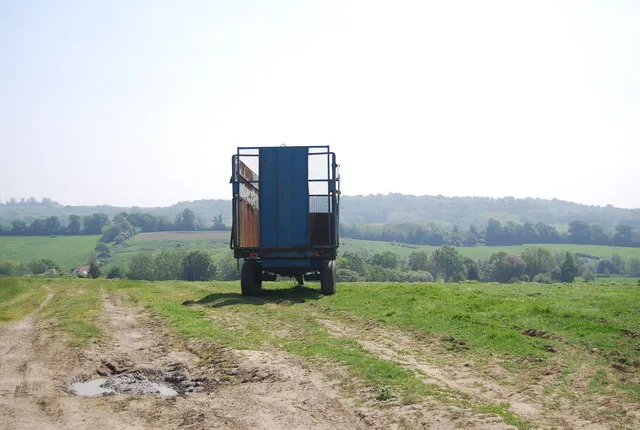
Photo: N Chadwick , CC BY-SA 2.0, via Wikimedia Commons
The quiet hours are the working hours
On a mixed farm in November, the yard can be busiest before dawn and quiet again by early evening. That rhythm suits the business, but it also suits the thief. A van arriving at 3am may be an opportunist who has seen an unsecured gate, or part of a more organised operation targeting tractors, telehandlers, all-terrain vehicles, GPS domes and towed equipment. The distinction matters because the measures that deter one are not always the measures that disrupt the other.
The practical question for 2026 is not whether farm machinery theft exists. It is where the next pound of security spending will do the most good. Police recovery patterns and insurer claims histories point in a consistent direction: no single device carries the load. What changes outcomes is a layered system that buys time, preserves evidence and makes the farm a less attractive target than the one down the road.
What recovery patterns actually suggest
Broad patterns reported by insurers and police suggest that recovered high-value machines are more likely to have had a concealed, monitored tracking device with an active subscription and a clear response route. Visible marking helps identification and can assist recovery, but it rarely stops a determined thief at the gate. Conversely, many opportunistic losses involve keys left in machines, insecure fuel stores, unlocked workshops and vehicles parked where they cannot be seen from the farmhouse or a neighbouring property.
Claims histories also tend to show repeat interest. A yard that has been entered once may be visited again, particularly if gates, lighting and key storage have not changed. That makes a post-incident review as important as the initial purchase. The objective is not to create an impregnable site; it is to remove the easy wins and raise the effort required for the harder ones.
Treat the yard as a filter
The first layer is physical and procedural. One controlled vehicle entrance is easier to monitor than three. Gates should be closed outside working hours, even when the yard feels remote. Lighting should serve the working areas and the approach, not simply illuminate the farmhouse garden. Gravel or a noisy surface near the entrance can provide an audible warning, while parked implements and trailers can be arranged to block direct access to higher-value machines without creating a fire risk or obstructing emergency vehicles.
Natural surveillance is inexpensive and often overlooked. If a neighbour, the farmhouse or a passing road can see the machinery park, the site is less private for a thief. CCTV has a role, but it should be proportionate. Clear signage, adequate retention and a realistic plan for reviewing footage matter more than a large number of low-quality cameras. A camera that records a registration plate at the gate is usually more useful than one that records a blurred silhouette in the dark.
Keys, codes and the weak point of convenience
Key control is the cheapest effective measure and the one most often compromised by routine. Keys should be removed from machines when they are parked, including telehandlers and groundcare equipment. A locked key cabinet inside a secure building is better than a hook in an unlocked workshop. Where keyless start or PIN systems are used, the code should be treated as a key: known to as few people as necessary and changed when staff or contractors leave.
Telematics accounts deserve the same discipline. A tracker that is not monitored, or a subscription that has lapsed, offers little beyond a false sense of security. Machines bought second-hand should have their tracking and telematics arrangements checked, not assumed. PIN codes, app access and account credentials should be transferred and reviewed at the point of purchase.
Marking and tracking are different tools
Marking, whether through CESAR, forensic liquids, visible serial stamps or microdots, supports identification after theft. It can also deter a casual thief who knows the machine will be difficult to sell intact. It does not physically stop a van leaving the yard. Tracking is the more active measure, but its value depends on concealment, power supply, monitoring and response. A cheap device that only sends an alert to a phone may be useful, but it is not equivalent to a professionally monitored system with a police response protocol.
For a mixed farm, the risk profile should drive the spend. A high-value telehandler used daily and parked near a road may justify a monitored tracker and a secondary concealed device. A older trailer used occasionally may be better served by a hitch lock, marking and secure storage. Spending the same amount on every asset is rarely sensible.
The policy conditions that decide claims
Security measures are only part of the picture. Insurance policies frequently contain conditions that require locks, immobilisers, key storage or tracking to be maintained and active. A claim can be reduced or refused if the security declared at inception is not the security in place on the night of the loss. That includes telling the insurer about a change of yard, a new building, a lapse in monitoring or a period when a machine is kept away from the main holding.
Farm policies vary, so the wording matters. Check whether unattended machinery away from the yard is covered, whether hired-in equipment is included, and what notification is required after an incident. Keep receipts for security devices, servicing records and tracker subscriptions. If a machine is recovered, record its condition before repair. These details are unglamorous, but they are often what separates a straightforward claim from a disputed one.
A winter routine worth keeping
Heading into the dark months, a short annual audit is more useful than a one-off purchase. Walk the yard after dark and look for blind spots. Check gates, locks, lighting and camera views. Audit keys and PIN codes. Test tracker batteries and confirm subscriptions are live. Record serial numbers and photographs of high-value machines. Review the policy against what is actually installed.
None of this guarantees that a van will not come at 3am. It does, however, shift the odds. Thieves prefer the yard with the open gate, the key in the ignition and the unmarked machine. A farm that removes those advantages and documents its security honestly is better protected, both in the yard and at the claims stage.