The Loader Attachment Audit: Choosing Tools That Justify Their Space
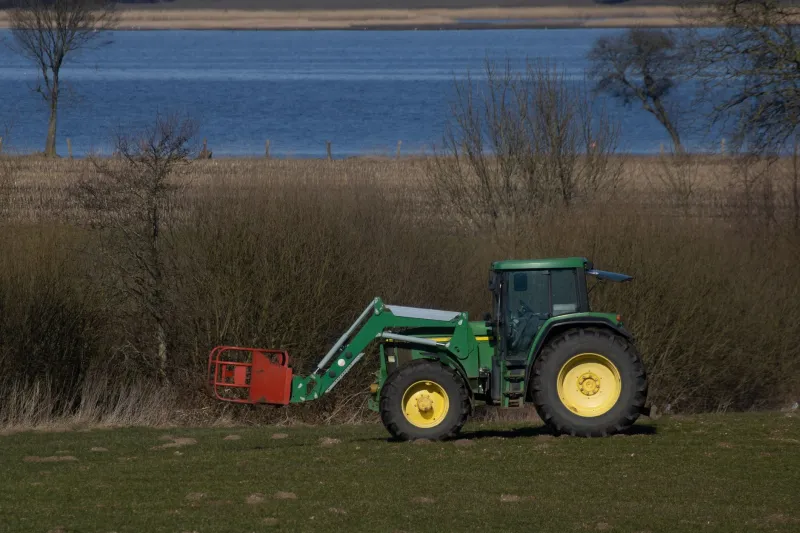
Loader attachments have a habit of arriving for one job and staying for a decade. A bucket bought for a shed clearance, a grab inherited with a second-hand tractor, a bale spike that seemed essential in a wet spring: together they form the attachment shelf. On many mixed UK farms that shelf is now a significant asset in its own right, and it deserves the same scrutiny as the machines that carry it.
The purpose of this audit is not to empty the shed for its own sake. It is to establish which tools earn their space through regular, safe and cost-effective use, and which would be better borrowed, hired or sold. In 2026, with machinery capital under pressure and yard space rarely expanding, the question is practical rather than sentimental.
Start with the job, not the catalogue
Begin by listing the loader work actually undertaken across the year. On a mixed farm this may include muck handling, grain and fertiliser loading, silage clamp work, bale movement, gravel and stone, brush and hedge debris, snow clearance and general yard maintenance. For each task, record how often it occurs, how long it takes, which machine is used and what happens when the right attachment is unavailable.
This immediately separates daily essentials from seasonal accessories. A general-purpose bucket and pallet forks may be used most weeks. A bale grab may be essential for a few concentrated months. A sweeper may be useful but not urgent. The audit should also note whether the task can be done another way, such as by a contractor, a hired telehandler or a neighbouring farm under a sharing arrangement.
Quick-hitch compatibility is a gate, not a detail
No attachment should pass the audit until its mounting system is confirmed against every machine expected to carry it. UK farms commonly run a mixture of tractor loaders, telehandlers and older machines with pin-mounted or manual quick couplers. Euro-style loader hitches, skid-steer patterns and telehandler-specific systems are not interchangeable without the correct carriage or adapter.
Check the physical fit, the locking method and the safety indicators. Confirm that the attachment cannot be inadvertently released and that the machine's coupler is rated for the tool. Adapters can solve some compatibility problems, but they add weight, alter the centre of gravity and create another maintenance point. If an attachment fits only one machine and that machine is due for replacement, the audit should flag the risk.
Hydraulic flow and weight limits
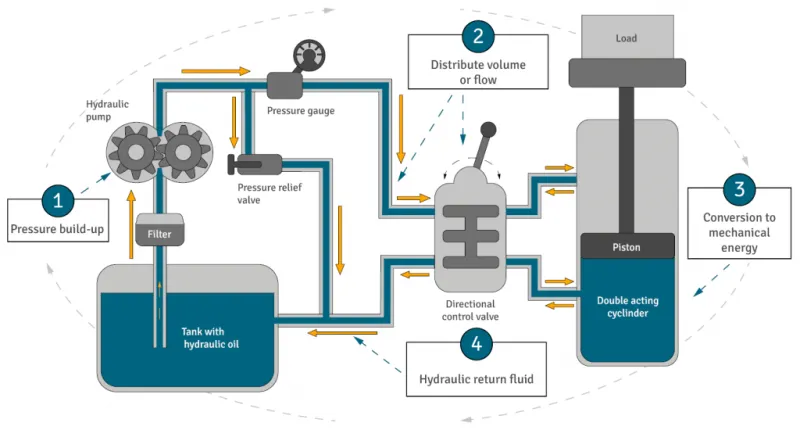
Hydraulic requirements are often underestimated. A simple bucket may need no auxiliary service, while a grab, grab bucket or powered sweeper may require one or more double-acting services and a specific flow rate. Check the machine's auxiliary hydraulic output against the attachment's requirement, not against the salesman's summary. Low flow can make a grab sluggish and hot; excessive flow can damage components unless the attachment is protected.
Weight is equally important. Every attachment reduces the machine's available payload, and the effect is greater at reach. A telehandler rated to lift a certain load at a certain height may be well outside its safe envelope when a heavy grab and a wet load are added. Use the machine's load chart and the attachment's stated weight, then apply a sensible margin for wet material, uneven ground and operator technique. The plate on the machine and the manual for the attachment are the relevant documents, not memory.
Wear parts and repair economics
An attachment is a consumable in slow motion. Bucket edges, teeth, fork tines, grab pivots, hoses, rams and coupling pins all wear. Before buying, establish the availability and cost of these parts. A cheap attachment with proprietary wear parts can become expensive; a well-supported design with standard edges and bushes is often the better long-term purchase.
Inspect the existing shelf for wear as part of the audit. A bucket with a worn floor and thin edges may be uneconomical to repair. Forks with bent tines or cracked heels should be withdrawn from service. Grabs with worn pivots can distort and damage bales or pallets. Record the repair cost against replacement cost and against the value of the work the tool performs.
Storage and changeover
The attachment shelf consumes yard space, and changing attachments consumes labour. Measure the storage footprint of each item, including the space needed to park it safely on stands or pallets. Items stored on the ground, exposed to rain and in the way of other machinery are more likely to be damaged and less likely to be used.
Changeover time matters on a mixed farm where the loader may move from muck to grain to bales in a single day. A quick hitch is only quick if the hydraulic couplings are accessible and the attachment can be parked securely. If a tool takes two people and twenty minutes to fit, it will be used less often than its theoretical benefits suggest.
Shared use across tractors and telehandlers
Shared use can improve utilisation, but it must be safe. An attachment that is suitable for a large telehandler may be too heavy or too wide for a small tractor loader. Conversely, a light loader bucket should not be pushed beyond its design on a higher-capacity machine. Confirm compatibility across the fleet, including hydraulic service type and mounting, and ensure operators understand the limits.
Where attachments are shared with neighbours or contractors, record the arrangement. Identify who is responsible for damage, wear parts and safe operation. A simple written note is preferable to a recalled conversation.
A simple scoring sheet
Score each attachment from one to five against the following criteria, with five being strongest. Adjust the weighting to suit the farm, but apply it consistently.
| Criterion | What to record |
|---|---|
| Frequency of use | Days or weeks per year |
| Criticality | Can the job be done another way? |
| Mounting compatibility | Fits how many machines safely? |
| Hydraulic suitability | Flow and services match |
| Weight margin | Safe with wet loads at reach |
| Wear-part support | Cost and availability |
| Storage burden | Space and access |
| Shared-use potential | Safe for other machines |
| Hire or borrow option | Realistic alternative |
| Residual value | Likely resale or trade-in |
A tool used weekly, compatible with two machines, safe at reach and supported by readily available wear parts will score highly and justify purchase. A seasonal tool with one machine fit, poor storage and a viable hire option may score poorly even if it is useful. The output is a ranked shelf, not a verdict on individual tools.
The decision rule
Buy when the score supports frequent, safe use and the whole-life cost is lower than hiring. Hire or borrow when the need is seasonal, occasional or uncertain. Dispose when the tool has not been used for a full cycle, when it is unsafe, or when its repair cost exceeds its contribution. Review the shelf annually, before the season that demands it, rather than during the week it is needed. The attachment that earns its space is the one that is ready, compatible and costed, not simply the one that was once useful.