Shed Before Specification: A Tractor-Buying Sequence for Mixed UK Farms
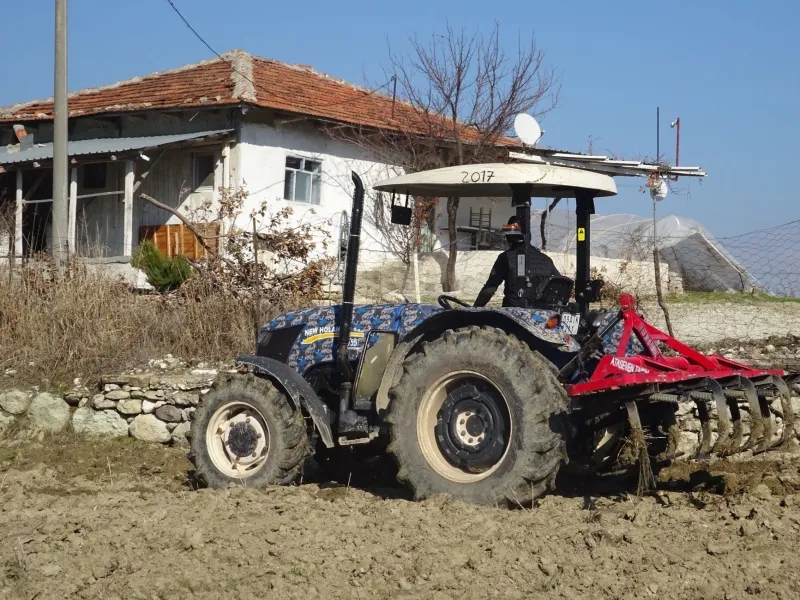
The tractor is usually the first machine to attract attention in a machinery discussion. It is the largest capital item, the most visible statement of intent and the machine most likely to be compared on a horsepower figure. Yet on most mixed UK farms the tractor is not the limiting factor in field work. The implements are. A plough, mower, trailer, spreader or loader that fits badly will turn a capable tractor into an expensive compromise, and no amount of showroom gloss will correct a hydraulic system that cannot run the mower or a linkage that cannot safely lift the drill.
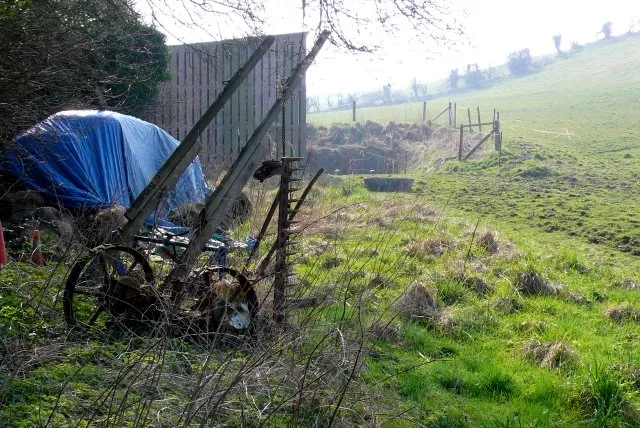
The more disciplined approach for 2026 is to begin in the shed rather than the showroom. The existing implement fleet is, in effect, a specification document. It records the PTO speeds, oil flows, lift weights, transport widths and ballast demands that the next tractor must satisfy. Reading that document properly is a more reliable route to a sound purchase than starting with a horsepower band and hoping the details can be resolved later.
The yard audit comes before the specification
An implement audit need not be elaborate, but it should be systematic. For every implement likely to remain in service for the next five years, record the make, model, working width, approximate weight and annual workload. Note the PTO speed and power requirement from the operator manual or implement plate, together with the hydraulic flow and pressure required by any powered functions. Count the spool valves needed, and identify whether the implement requires a free return, load-sensing supply or trailer brake valve. Measure transport width and height, and check the mounting category and linkage geometry.
The audit should also note condition and future plans. A worn plough that will be replaced in two years should not dictate the whole specification, but a mower conditioner or baler that is central to the business certainly should. The aim is not to produce a perfect inventory. It is to separate the implements that genuinely define daily work from those that are occasional, borrowed or close to retirement.
Turning the implement list into a tractor brief
PTO output. Engine horsepower is not the same as power at the PTO, and the difference matters. Ask for the PTO power curve rather than a single headline figure, and check it at the operating speed the implement requires. A mower conditioner, slurry pump, baler or grain auger may demand continuous power rather than a short peak. The implement manual is the first reference; the dealer should be asked to demonstrate that the proposed tractor can meet that demand in the conditions the farm actually faces.
Hydraulics. Flow and pressure are the two figures that cause the most avoidable disappointment. A tractor may have ample engine power but insufficient oil flow for a hydraulic motor, or too few spool valves for a combination of folding, tipping and steering functions. Check the number of services, the type of spool valve, the availability of a free return and the cooling capacity for sustained hydraulic work. Where an implement is sensitive to flow, ask for a demonstration with that implement or an equivalent.
Linkage lift and ballast. Lift capacity should be checked at the linkage ball ends and with the heaviest mounted implement in mind. A tractor that lifts a plough in the yard may still be marginal once the implement is carrying soil or operating on sloping ground. Front ballast, tyre choice and axle loadings then become part of the same calculation. The objective is not simply to lift the implement but to do so with stable steering, sensible axle loads and acceptable soil pressure.
Transport width and yard geometry. An implement that is difficult to move between fields will erode the value of a new tractor very quickly. Record the transport width of each implement and compare it with the narrowest gateway, lane and yard route on the farm. Check height as well as width, particularly where sheds, trees or low wires are involved. The tractor's own dimensions and turning circle should be considered alongside the implements it will carry or tow.
Where mismatches show up first
An underpowered tractor usually reveals itself in lower working speeds, higher fuel consumption and greater wear on the operator and machine. An overpowered tractor can be equally costly: it may add weight and compaction risk, increase tyre and capital costs, and encourage the use of a larger machine where a smaller one would do the work more efficiently. Hydraulic starvation shows up as slow folding, overheating oil and inconsistent operation. Marginal linkage capacity is a safety issue as well as a productivity one. Transport width problems appear every day, at every gateway, and rarely improve with familiarity.
The commercial case for an implement-led purchase is therefore straightforward. A tractor that is right-sized to the work, with sufficient hydraulics and lift capacity, can use the existing fleet more effectively than a larger machine that cannot operate the kit properly. That may mean a different frame size, a different transmission specification or a different tyre and ballast package. It may also mean that a well-chosen used tractor is a better fit than a new one whose headline horsepower has been allowed to dominate the decision.
A pre-purchase checklist
- List every implement expected to remain in service for five years, with annual workload and condition noted.
- Record PTO speed, required power and direction of rotation where relevant.
- Confirm hydraulic flow, pressure, spool count and free-return requirements for each powered implement.
- Obtain weights and calculate rear lift margin at the ball ends with the heaviest mounted implement.
- Measure transport width and height, then compare with the narrowest route on the farm.
- Check tyre options, ballast plan and axle loadings against soil types and road work.
- Ask the dealer for PTO power and hydraulic performance figures, not just engine horsepower.
- Trial the tractor with the farm's own implement or a close equivalent before signing.
- Include the cost of adapters, quick hitches or hydraulic conversions in the comparison.
None of this removes the need for commercial judgement. Dealer support, residual values, warranty terms and the availability of trained technicians all matter. But those considerations sit around a central question: can the tractor operate the implements the farm already owns, safely and productively, across the routes and soils it actually uses? Answering that question first is the surest way to avoid an expensive mismatch between horsepower and real-field capability.