The Spares Shelf That Earns Its Keep: A Practical Stock List for Mixed UK Farms
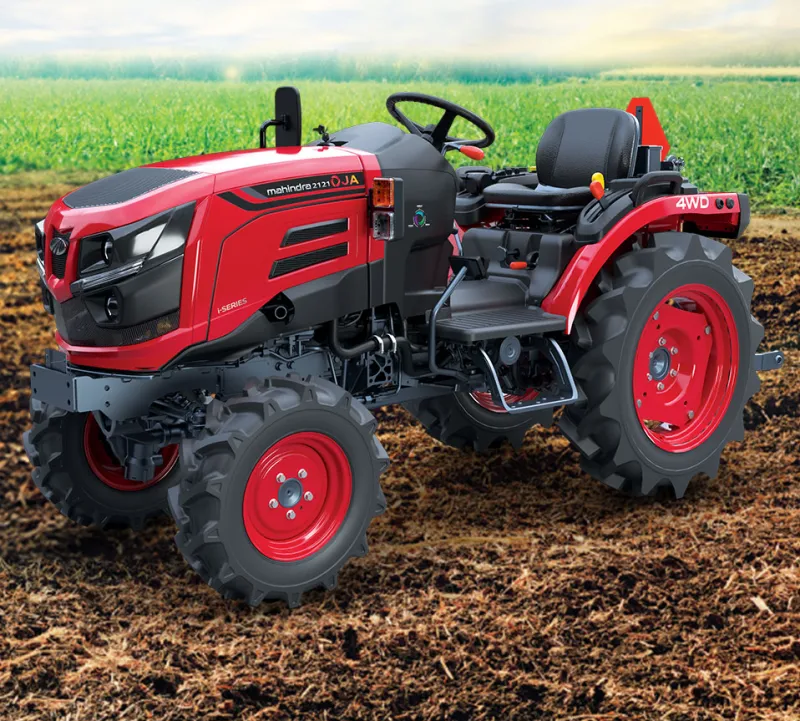
Photo: tractor workshop spare parts shelf filters belts hydraulic hoses, via www.mahindratractor.com
Stock is not a virtue in itself. Every pound tied up in a spare part is a pound not available for fuel, labour or finance costs. The case for a farm spares shelf rests on a narrower proposition: some failures stop work immediately, are cheap to hold and can be rectified with tools already on the farm. Those are the parts worth keeping. The rest can usually be ordered for next-day delivery.
For a one-tractor farm or a small contractor, the aim is not a dealer-sized parts department. It is a modest, labelled and reviewed stock system that covers the failures most likely to cost a day during harvest, planting or winter feeding.
The test for shelf stock
Before adding an item to the shelf, ask three questions. Does failure stop the machine or the job? Can the part be fitted with on-farm tools and reasonable skill? Is the part cheap, light and slow enough to order that holding one makes sense?
If the answer to all three is yes, stock one. If the part is expensive, dealer-coded, safety-critical or rarely failures, order it when needed. A shelf full of expensive maybes is worse than a small shelf of proven essentials.
Tier one: filters and fluids
Filters are the foundation of any sensible stock list. Keep one set of engine oil, fuel, hydraulic and air filters for each machine, plus cab filters where fitted. A tractor, telehandler and trailer combination will not need the same set, so list them by machine rather than by shelf space.
Fluids should be held in sensible quantities: engine oil, hydraulic oil, coolant, grease and washer fluid. AdBlue is useful but has a shelf life and storage requirements, so it should not be bought in bulk without a clear usage pattern. The important discipline is specification. A universal oil that meets the wrong standard is not a saving.
Tier two: belts, hoses and clamps
A spare fan belt or alternator belt can turn a stopped machine back into a working one in under an hour. Keep one belt for each machine where the belt is accessible and the replacement procedure is straightforward. Air-conditioning belts are less urgent in winter but can matter in a busy summer.
Hydraulic hoses are more difficult. A full set of made-to-order hoses is impractical for most farms. A better compromise is a small hose repair kit with reusable couplings and a length of common hose, plus jubilee clips, hose clamps and thread sealant. For a telehandler, boom hoses are usually too expensive and too varied to stock unless a known weak point has failed before. A local mobile hose service is often the better answer.
Tier three: pins, linkages and fasteners
This is the cheapest and most useful tier. Linch pins, R-clips, drawbar pins, top-link pins, PTO shear bolts and common implement pins should be kept in labelled boxes. A missing pin can stop a trailer, linkage implement or PTO-driven machine immediately, and the replacement cost is trivial compared with the downtime.
Keep a small selection of wheel nuts, hose clips and common bolts, but avoid hoarding every size. The stock should reflect the machines actually on the farm, not a general hardware catalogue.
Tier four: electrical consumables
Modern machines carry more electronics, but the simple electrical items still cause avoidable stoppages. Keep blade fuses, maxi fuses, relays, bulbs, LED work lights, battery terminals, cable, crimps and insulation tape. A multimeter is a tool rather than a consumable, but it belongs near the shelf because electrical diagnosis is difficult without one.
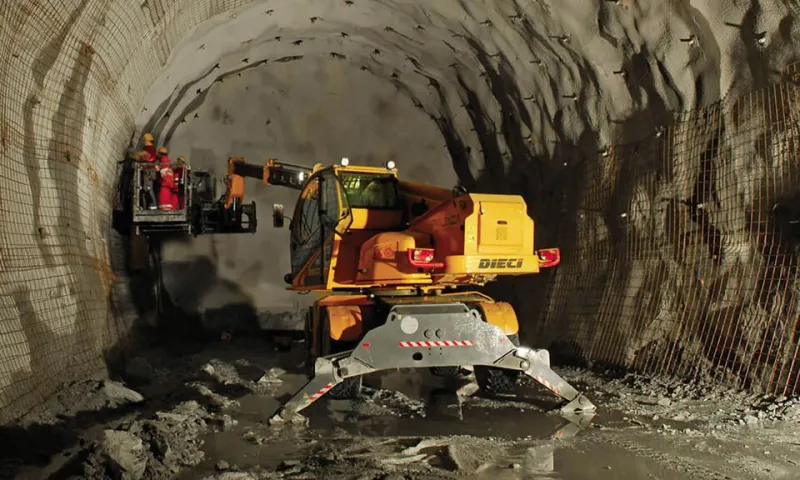
Telehandler warning beacons and work lights are common failures on materials-handling machines. A spare beacon is a small cost against a day of restricted operation.
Tier five: bearings, seals and wear parts
Bearings are where stock discipline matters most. Do not attempt to hold every bearing size on the farm. Instead, identify the bearings that have failed before or that are known wear points on the specific implements in use. Pick-up bearings, roller bearings, conveyor bearings and common sealed units are candidates. Keep seals, O-rings and grease nipples alongside them.
A bearing that gives warning before failure is a maintenance item. A bearing that fails without warning is a breakdown. The stock list should follow the second category, not the first.
What not to stock
ECUs, injectors, turbochargers, hydraulic pumps, major sensors and dealer-coded components should not sit on a farm shelf. They are expensive, model-specific and often require diagnostic equipment. Tyres are also better sourced locally when needed unless a specific size is difficult to obtain.
A useful rule is that if a part costs more than £250 and has not failed in five years, it probably does not belong in stock. Warranty parts for new machines should be handled through the dealer, not duplicated on the shelf.
A simple stock system
A stock system does not need software. It needs locations, labels and a minimum quantity. Use clearly marked bins or shelf areas. Attach a card or label showing the minimum and maximum quantity. When the minimum is reached, reorder. When new stock arrives, put it behind the old stock so that older parts are used first.
A simple spreadsheet is enough for a small farm. List the part, machine, supplier, part number, minimum quantity, current quantity and reorder point. Review it once a year and after any significant breakdown. The review is important because the stock list should change as the machinery changes.
A realistic budget
For one tractor, one trailer and one telehandler, a sensible initial stock list might cost £1,000 to £1,500. Filters and fluids might account for £400, belts and hoses £300, pins and fasteners £80, electrical consumables £120, and bearings and seals £200. Labels, bins and a small cabinet might add £100 to £200.
A small contractor with three or four machines should expect to hold more, perhaps £2,500 to £4,000, but the principle is the same. The stock should be proportional to the cost of downtime and the number of machines that depend on the same parts.
Seasonal checks
Review the shelf before harvest, before winter feeding and before any period when the dealer is likely to be busy. Replace used stock rather than waiting for the next breakdown. Keep a note of what was used and why. Over two or three seasons, that note becomes a more accurate stock list than any generic recommendation.
The spares shelf earns its keep when it prevents a small fault from becoming a lost day. It does not need to be large. It needs to be relevant, labelled and reviewed.