Used Tractor Buying in 2026: Six Checks That Turn Instinct into Evidence
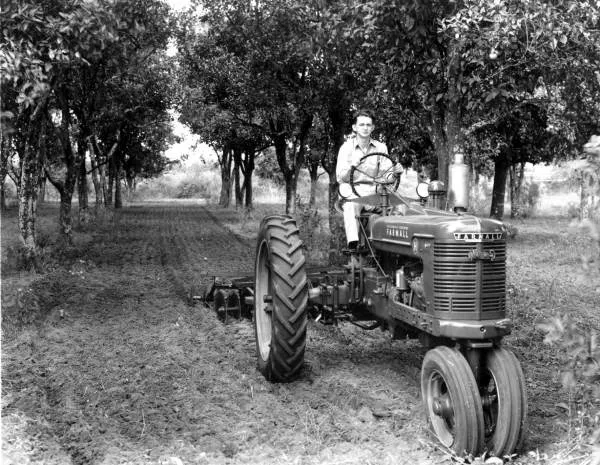
Photo: Florida Memory, Public domain, via Wikimedia Commons
Used tractor prices have eased in some sectors, but a low asking price is not the same as value. The difference between a sound second-hand machine and an expensive mistake usually lies in evidence: records, wear patterns and the behaviour of systems under load. The six checks below are designed for UK buyers comparing dealer stock, trade sales and auction entries. They do not replace an independent inspection, but they make the inspection more focused and the negotiation better informed.
1. Hour-meter and paperwork evidence
Start with the hour meter, but do not treat it as gospel. A low reading is only credible when it aligns with the rest of the machine. Look for a documented history: service invoices, repair records, warranty claims and any telematics downloads the seller can provide. Check the V5C where applicable, confirm ownership and establish the VAT position before bidding or agreeing a price. On auction lots, ask whether the meter has been replaced or repaired. Compare pedal rubbers, seat condition, linkage wear and tyre age with the displayed hours. A tidy cab with 12,000 hours can be honest; a tired machine showing 3,000 hours deserves questions.
2. Transmission behaviour on a proper test
Test the transmission from cold if the seller will allow it, then repeat once warm and under load. On a synchro or powershift gearbox, listen for whine, feel for rough engagement and check that every range and split engages without delay. A shuttle that snatches or pauses can point to calibration, clutch pack or valve issues. With a CVT, look for hesitation, vibration or warning codes and confirm that the machine pulls smoothly through its speed range. Ask when the transmission oil and filters were last changed. A seller who refuses a proper road or field test is offering a risk, not a bargain.
3. Hydraulics and linkage under load
Operate every spool and auxiliary service, not just the rear linkage. Watch for weeping seals, sluggish response and chatter. Raise and lower a heavy implement if one is available, and check draft and position control through their full range. Oil colour and smell can reveal overheating or contamination, while a recent change may be hiding a problem rather than solving it. If possible, have flow and pressure tested against the manufacturer's specification. Linkage wear, lift-arm play and pick-up hitch condition are also cost indicators. Hydraulic repairs escalate quickly once contamination reaches pumps and valves.
4. Tyres, axles and running gear
Inspect tyres as a set, not as four separate items. Uneven wear can indicate alignment, bearing or pressure problems, while mismatched sizes and tread patterns can affect four-wheel drive transmission wind-up. Check sidewalls for cracking and perishing, rims for corrosion and wheel bearings for play. Tyre age matters as much as tread depth, particularly on machines that spend long periods standing. Add the cost of a full set to the asking price before deciding whether the tractor is competitive. Axle seals, kingpins and steering joints should be checked at the same time, because running-gear neglect rarely stops at the rubber.
5. Electronics and controls
Modern tractors rely on controllers, sensors and wiring that can be costly to diagnose. Switch on every function: lights, wipers, air conditioning, PTO, differential lock, four-wheel drive and any ISOBUS or guidance equipment. Look for stored error codes and ask for them to be explained rather than cleared. Check that the cab terminal communicates with implements and that any autosteer or section control is licensed and transferable. Loose wiring, corroded connectors and previous electrical repairs are warning signs. A machine with complex electronics and no service history is a different proposition from a simple mechanical tractor.
6. Service history and oil condition
Service intervals are only useful if they were followed. Look for a continuous record rather than a single recent invoice. Oil analysis can be valuable on higher-hour machines, particularly for engines, transmissions and hydraulics. Ask about major wear items: clutch, brakes, injectors, turbocharger and suspension. A dealer may offer a warranty, but the terms matter; an auction usually offers none. Budget for a full service and any immediate repairs, then compare that total with other machines rather than judging the sticker price alone.
Comparing dealer and auction listings
Dealer and auction listings reward different kinds of buyer. A dealer may provide a warranty, delivery, part-exchange and a clearer history, but the price will reflect that support. An auction may look cheaper until buyers premium, collection, missing documents and unknown faults are added. Read the terms, inspect on the viewing day and set a ceiling before bidding. For either route, ask for the same evidence and compare like with like: hours, specification, tyre condition, service records and warranty.
When to walk away
Walk away from a machine with unexplained hour-meter discrepancies, contaminated oil, transmission warnings, structural cracks or a seller who will not permit a proper test. A cosmetic fault is negotiable; an unknown transmission or hydraulic fault is not. If the repair estimate is close to the price difference between this tractor and a better-documented one, the better-documented machine is usually the cheaper buy.
The used market rewards preparation. Six checks will not turn a novice into a mechanic, but they shift the conversation from paintwork to evidence. That is the difference between buying a tractor that suits the workload and inheriting a repair bill that arrives just as the season starts.